
Stroke Recovery Care at Home: Here Is What You Need to Know
Stroke recovery often brings major changes to daily life. Many families want a setting that feels comfortable, familiar, and supportive, which is why stroke recovery care at home is a practical option for many people. At Care with Love, we provide compassionate in-home support designed to help clients maintain comfort and dignity while receiving care where they live.
Understanding stroke recovery care at home
Stroke recovery care at home focuses on helping individuals manage day-to-day routines after a stroke. Each person’s recovery experience is different. Some people need help with mobility, personal routines, and supervision, while others benefit from steady support that helps them remain safe and comfortable at home. According to the American Stroke Association, stroke recovery can continue over time and often includes building strength, adjusting routines, and creating a supportive environment.
Our approach centers on personalized care. We understand that recovery works best when support aligns with the client’s needs, preferences, and home environment. Through our private personal care services, our caregivers and clinicians can assist with non-medical daily living support that helps clients remain at home with confidence.
Daily support during recovery
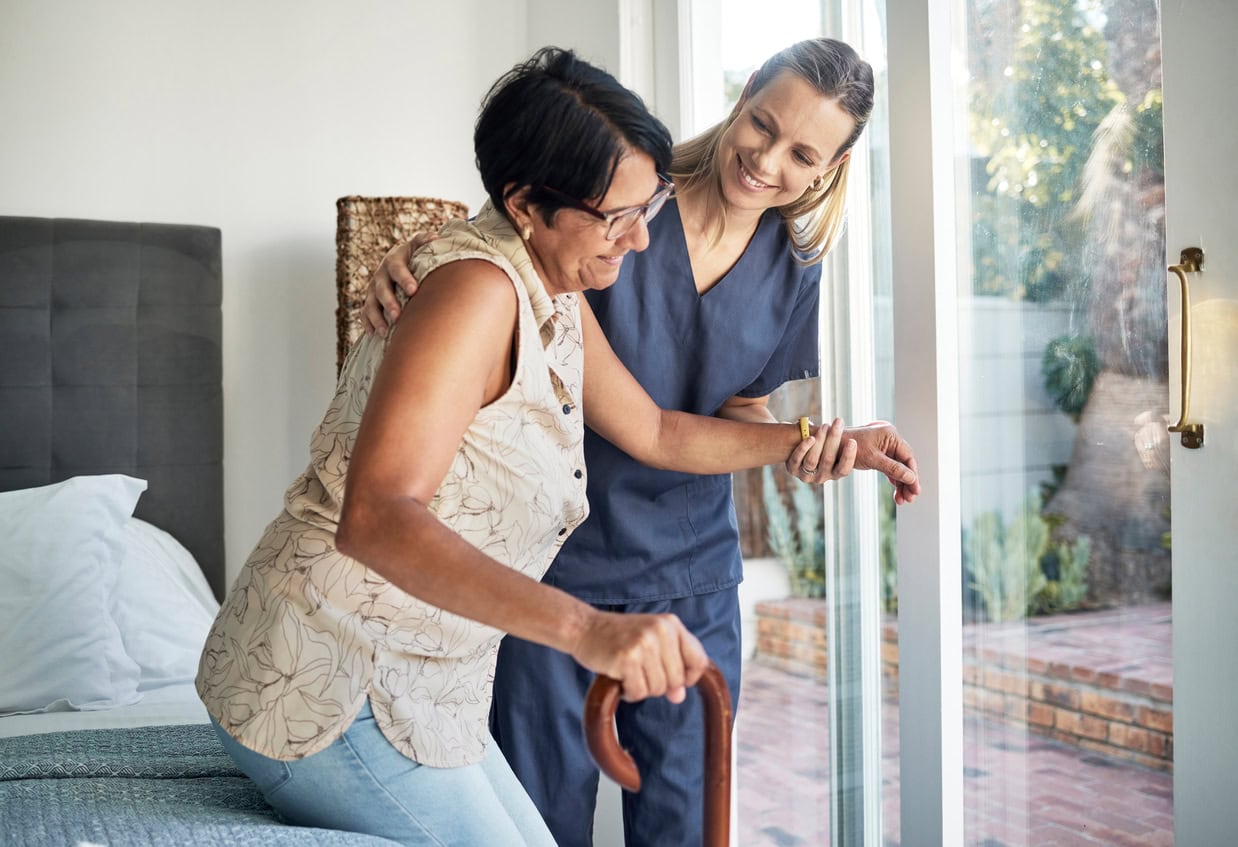
A stroke can affect movement, balance, coordination, and the ability to complete familiar tasks. Stroke recovery care at home often includes help with bathing, grooming, dressing, toileting, mobility assistance, meal preparation, and companionship, depending on what is appropriate for the individual. Consistent routines can create greater comfort for clients and peace of mind for families.
Home-based support also helps families organize the day around the client’s energy level and practical needs. A familiar environment can make routines easier to follow and can support emotional well-being during recovery. The Centers for Disease Control and Prevention also highlights the importance of recognizing the ongoing impact a stroke can have on daily function and long-term health.
At Care with Love, we focus on delivering care with warmth, professionalism, and respect. Our caregivers and clinicians support clients in ways that encourage comfort at home while helping families manage the demands of recovery.
How we support families
Families often take on many responsibilities after a loved one returns home following a stroke. Coordinating schedules, assisting with routines, and staying alert to changing needs can become overwhelming. Stroke recovery care at home gives families trusted support that fits into daily life and helps create a more manageable caregiving experience.
We believe strong care begins with listening. We take time to understand the client’s needs and the family’s concerns so we can recommend the appropriate level of in-home support. Our caregivers and clinicians are committed to providing attentive care that reflects our values and our focus on meaningful human connection.
For families who are exploring next steps, we invite them to start with a complimentary assessment. This gives us an opportunity to learn more about the client’s situation and discuss how our home care services may help support stroke recovery at home.
Choosing the right care team
When evaluating stroke recovery care at home, families often look for a provider that values compassion, reliability, and individualized attention. Those qualities are central to our work at Care with Love. We are dedicated to helping clients receive supportive care in the place where they feel most at ease.
The right care team can help make everyday life smoother after a stroke by supporting routines, encouraging comfort, and providing dependable assistance in the home. If your family is planning for stroke recovery care at home, Care with Love is here to help you take that next step with a caring and professional approach.
Share this post